More Than 40,000 Heart-Aware Coffee Drinkers Changed Their Beans. Here Is What They Found Out.
A single thread in an online health group asked: "Is my daily coffee undermining everything I do for my heart?" The replies startled thousands of readers — and started a slow exodus from mainstream supermarket brands.
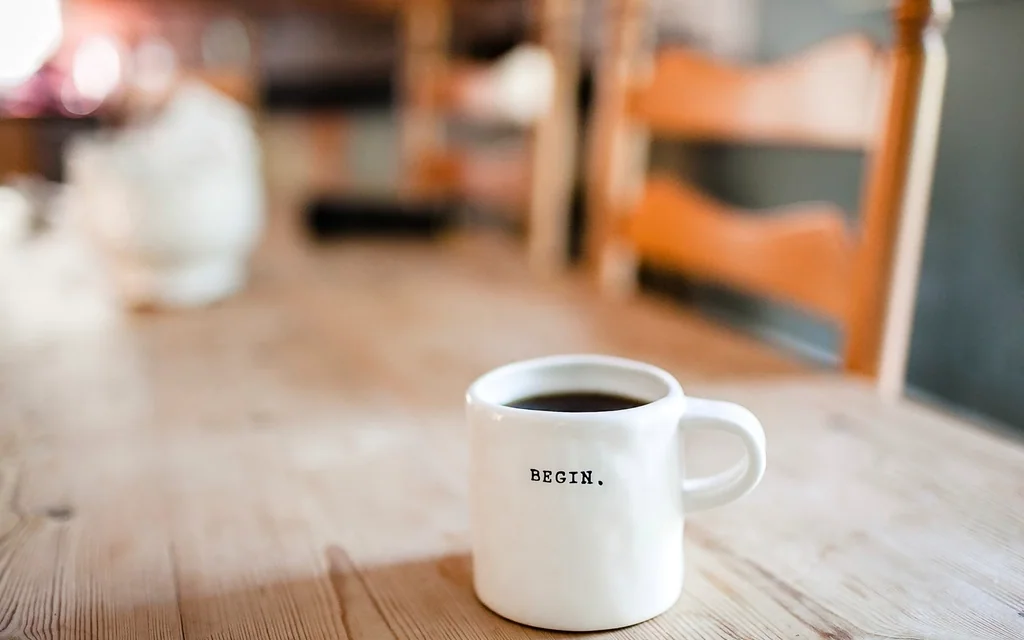
If you are over 40, you probably recognise this: the first cup is finished, and an hour later something does not feel right. A quiet tightness creeps in. Your heart seems to be pushing harder than the moment calls for. You put it down to getting older, to pressure at work, to "how mornings are these days."
But over 40,000 health-aware coffee drinkers have come to a different conclusion: their body was never the problem, and neither was the caffeine. The trouble was upstream — built into the beans somewhere between the farm and the bag.
Three things in your mug that rarely get mentioned
-
Vascular support that never survives the roast
Green coffee beans are rich in chlorogenic acids, antioxidant compounds that published research has tied to improved post-meal endothelial function and blood vessels that respond more healthily.[1] The snag is that big commercial roasters roast hot and quick to move volume and lengthen shelf life — and that can destroy up to 70% of those polyphenols before the beans are even packed.
-
Mycotoxins you cannot see, from sloppy drying and storage
Work published in the Journal of Microbiology, Biotechnology and Food Sciences shows that a notable proportion of green coffee beans contain ochratoxin A and aflatoxins — toxins produced by mould when beans are dried poorly or stored for too long.[2] They have no taste and no smell, yet the research associates them with oxidative stress, ongoing low-level inflammation and a measurable burden on the heart, vessels and kidneys.[3]
-
The chemical residue left by conventional farming
Few crops receive as much chemical treatment as coffee. Conventional farms apply synthetic pesticides, herbicides and fertilisers as a matter of course, and traces can make it through processing into your cup. Year after year, your liver and vascular system are left filtering compounds they were never designed to handle that often.
Mould is not just a coffee problem
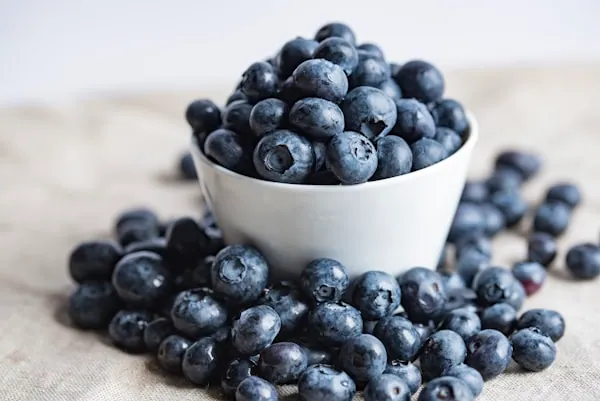
Learn what ochratoxin A and aflatoxins are, and the issue suddenly looks commonplace. These five everyday foods are all places where mould — and sometimes the compounds it leaves behind — is a routine concern for farmers, bakers and food-safety regulators.
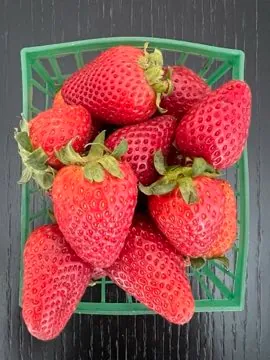
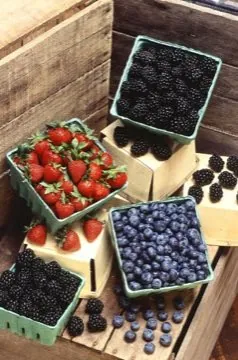
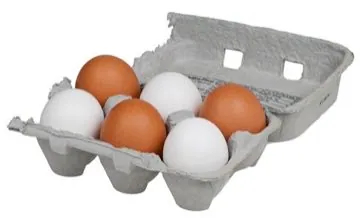
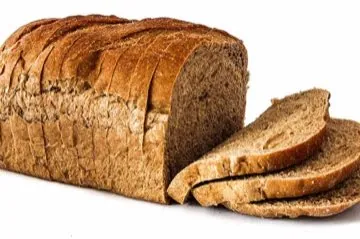
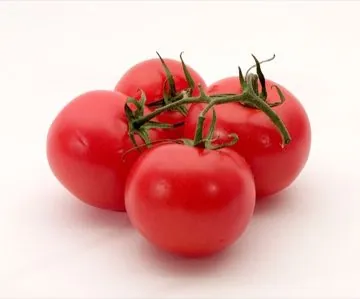
With coffee, the difference is how often you consume it. You spot a mouldy strawberry and throw it away; a bag of poorly dried or stored beans looks, smells and tastes entirely normal — and you drink it every morning for years. That is the gap that testing is supposed to close.
The roaster that turned down the industry shortcut
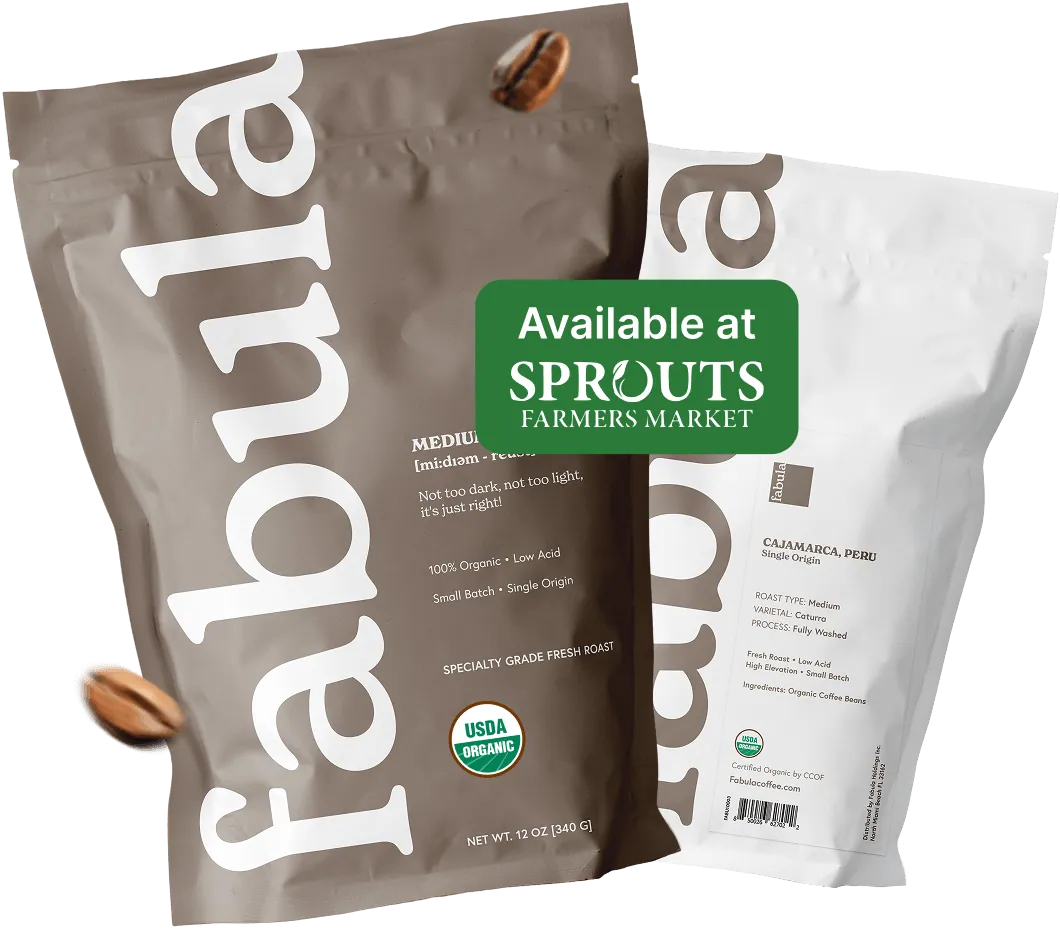
This is the very problem a specialty roaster called Fabula Coffee set out to fix — not by taking the caffeine out, not by hiding behind added supplements, but by rebuilding the journey a bean makes from a high-altitude farm to your first cup of the day.
Slow-roasted so nature's compounds survive
Where mass roasters optimise for speed, Fabula roasts at lower, precisely managed temperatures over longer cycles. That means the chlorogenic acids and polyphenols that support healthy vascular function make it through instead of being burnt off. You get the bean's complete antioxidant profile — and layered flavour notes most people have never met in a cup of coffee.[1]
Independently tested for more than 350 compounds
Anyone can print "mould-free" or "clean" on a label. Fabula backs the words with data: each batch goes to an independent laboratory to be screened for over 350 chemical compounds, pesticides and toxins — the ochratoxin A and aflatoxins common in cheaper commercial lots included.[4] The lab reports are not for show — they are documented.
USDA Certified Organic — nothing synthetic
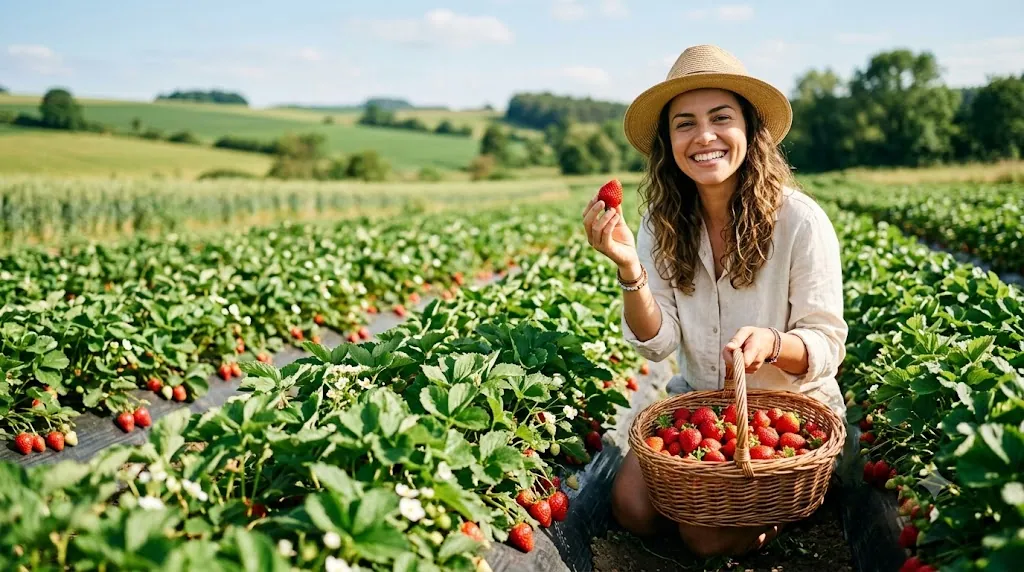
Fabula holds USDA Organic and Non-GMO certifications. No synthetic pesticides. No herbicides. No chemical fertilisers. The plants are grown with natural methods, the soil is looked after for the long haul, and the farmers who work the crop are spared the chemical mixtures that conventional coffee growing depends on.
shade-grown
in every batch
customer ratings
"I spent two years with a wellness coach trying to get my daily tension under control. We tweaked diet, sleep and exercise, and never once thought about my coffee. The week I switched to Fabula things shifted — my afternoon readings were noticeably calmer. My coach was genuinely taken aback."
The steps most roasters skip — and discerning drinkers can taste
High-Altitude, Shade-Grown
Cool air and a slow growing cycle give beans denser cell structures and richer natural polyphenols. Fabula sources solely from farms above 7,000 feet.
Single-Origin Only, No Blending
Mass-market coffee mixes beans from dozens of origins to cover up staleness and variation. Fabula uses single-origin lots, so you taste the land it grew on rather than a calculated average.
Roasted Days Before Dispatch
Supermarket coffee may have been roasted months before it reaches you. Fabula roasts in small batches and dispatches within days, so it lands at peak freshness.
That is the difference between coffee that is factory-made and coffee that is crafted.
"Easily the smoothest coffee I have had. No jitters and none of that feeling that my whole system is revving too high. I never realised how much I had been tolerating until I drank a cup that was genuinely clean. I look forward to my mornings again."
"Too good to be true?" — the sensible questions
If you are naturally sceptical, so are we. These are the doubts we would want cleared up before switching.
When a company covers the cost of every dissatisfied customer and puts its coffee through a 350-compound independent screen, that is a company backing its product — not counting on you forgetting to cancel.
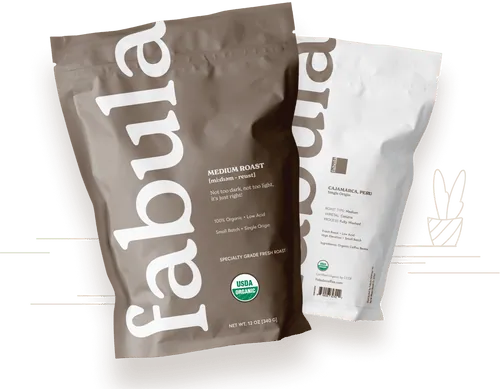
Try Fabula at Half Price With Free Shipping
Select your type and roast, then how many bags — the 6-pack carries the deepest discount (as much as $90 off). Every order ships free and freshly roasted.
Questions readers ask
Is there a genuine money-back guarantee?
Is this a subscription?
How long will a bag last?
Is it truly organic and tested?
How does Fabula taste compared with what I drink now?
References
- Ochiai, R., et al. "Coffee with a high content of chlorogenic acids and low content of hydroxyhydroquinone improves postprandial endothelial function in men." European Journal of Clinical Nutrition, 2004; 58, 41–46. Nature.com.
- Barboráková, Z., et al. "Ochratoxin A and Aflatoxins Quantification in Green Coffee Beans: Mycological and Analytical Study." Journal of Microbiology, Biotechnology and Food Sciences, 2025;14(6):e12406. office2.jmbfs.org.
- Studer-Rohr, I., Dietrich, D.R., Schlatter, J., Schlatter, C. "The occurrence of ochratoxin A in coffee." Food and Chemical Toxicology, 1995. ScienceDirect. Ochratoxin A is regulated in roasted, ground and instant coffee under EU Regulation 2022/1370; see also: "Comprehensive Analysis of Mycotoxins in Green Coffee Food Supplements," PMC.
- Regulatory context on permissible ochratoxin A limits in coffee products: Commission Regulation (EU) 2022/1370, referenced in "Comprehensive Analysis of Mycotoxins in Green Coffee Food Supplements: Method Development, Occurrence, and Health Risk Assessment," PMC.
The references above describe general scientific findings on chlorogenic acids, vascular function and mycotoxin contamination in coffee as a crop. They supply the health background for this article and do not independently verify Fabula's specific product testing or laboratory results, which are the manufacturer's own claims.